
Albany Dougherty County Public Records
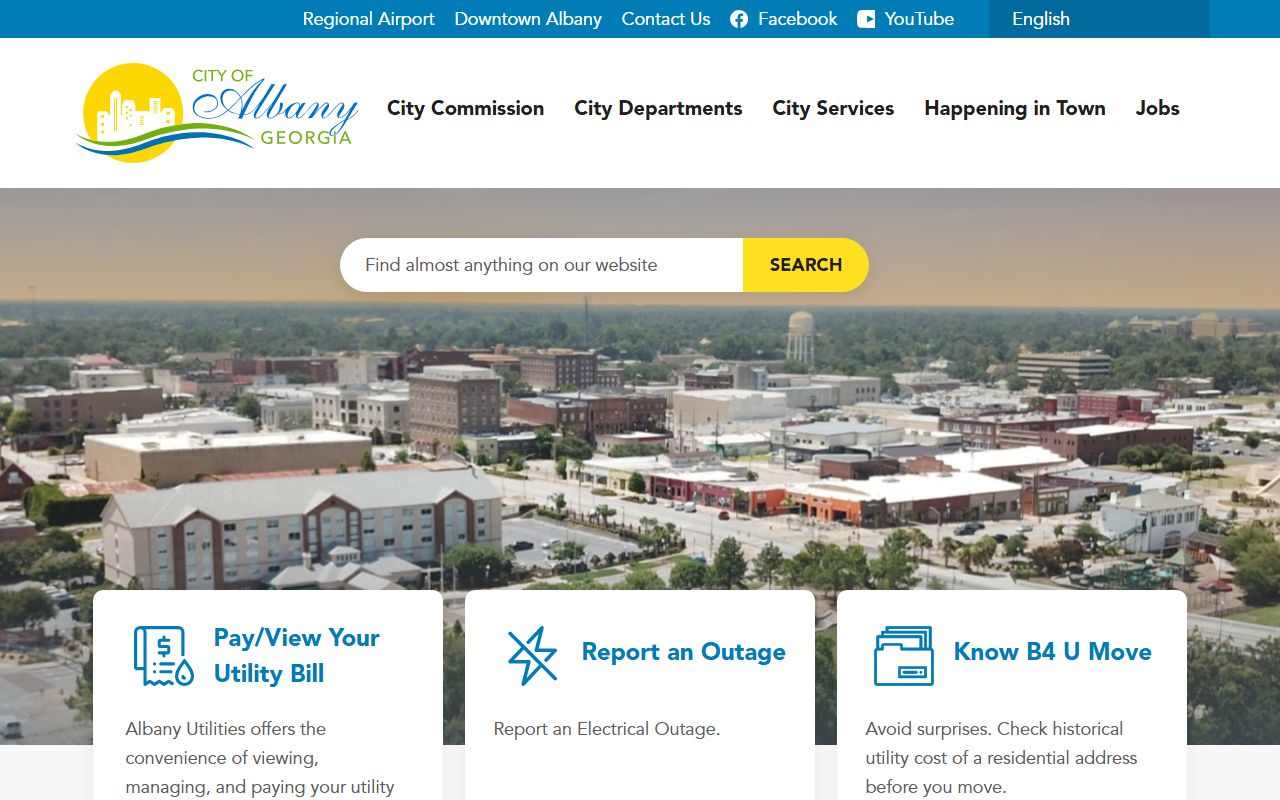
Albany is southwest Georgia's largest city. The population exceeds 66,000 residents. It sits along the Flint River. The city has a rich history. You can access Albany public records online. Visit www.albanyga.gov for city information. The Georgia Open Records Act ensures your access rights.
Albany Historic City Records
Albany has deep historical roots. The city was founded in 1836. Civil rights history is significant. The Albany Movement was pivotal. Records document this heritage. Archives preserve important documents. Researchers study this history.
The city commission governs today. They meet regularly at City Hall. Minutes record all actions. Agendas are posted in advance. Citizens can attend meetings. Records are available online. This balances history and modernity.
Historic preservation is valued. Some districts have protection. Design guidelines control changes. Applications are public records. The city balances growth and heritage. Records show this commitment. History informs current decisions.
Public Records Available in Albany
Albany maintains comprehensive records. Commission meeting minutes are available. Resolutions and ordinances are codified. Budget documents show priorities. Financial audits are public. Contracts with vendors are open. You can track government spending.
Police records serve the community. The Albany Police Department responds to calls. Incident reports are available. Accident reports can be purchased. Some records are exempt. O.C.G.A. § 50-18-72 applies. The department follows state standards.
Development records track growth. Building permits are public. Inspection reports ensure compliance. Zoning maps show land use. Site plans are filed. You can research any property. This aids real estate decisions.
Utility records are extensive. The city operates utilities. Water and sewer are municipal. Billing histories are documented. Service maps are available. This helps residents understand coverage. It shows infrastructure status.
How to Request Albany Public Records
The city accepts online requests. Visit www.albanyga.gov. Look for the open records section. Complete the electronic form. Describe your needs clearly. Submit and receive tracking info. Monitor progress online.
Written requests are traditional. Mail to City Hall. Address to the City Clerk. Include return contact info. Be specific about records. Allow processing time. Responses come by your preferred method.
Email is efficient. Find department contacts online. Put requests in writing. Include all details. Keep copies for records. Follow up as needed. Staff aim to respond quickly.
Dougherty County Court and Property Records
Albany is the Dougherty County seat. County records are nearby. The courthouse is downtown. Superior Court records are there. The clerk manages civil and criminal files. Probate Court handles estates and marriages. Magistrate Court hears minor cases.
The Tax Commissioner assesses property. Records cover all of Dougherty County. Albany properties are included. You can search by address or owner. Tax maps are available online. Payment history is public. Delinquent lists are published.
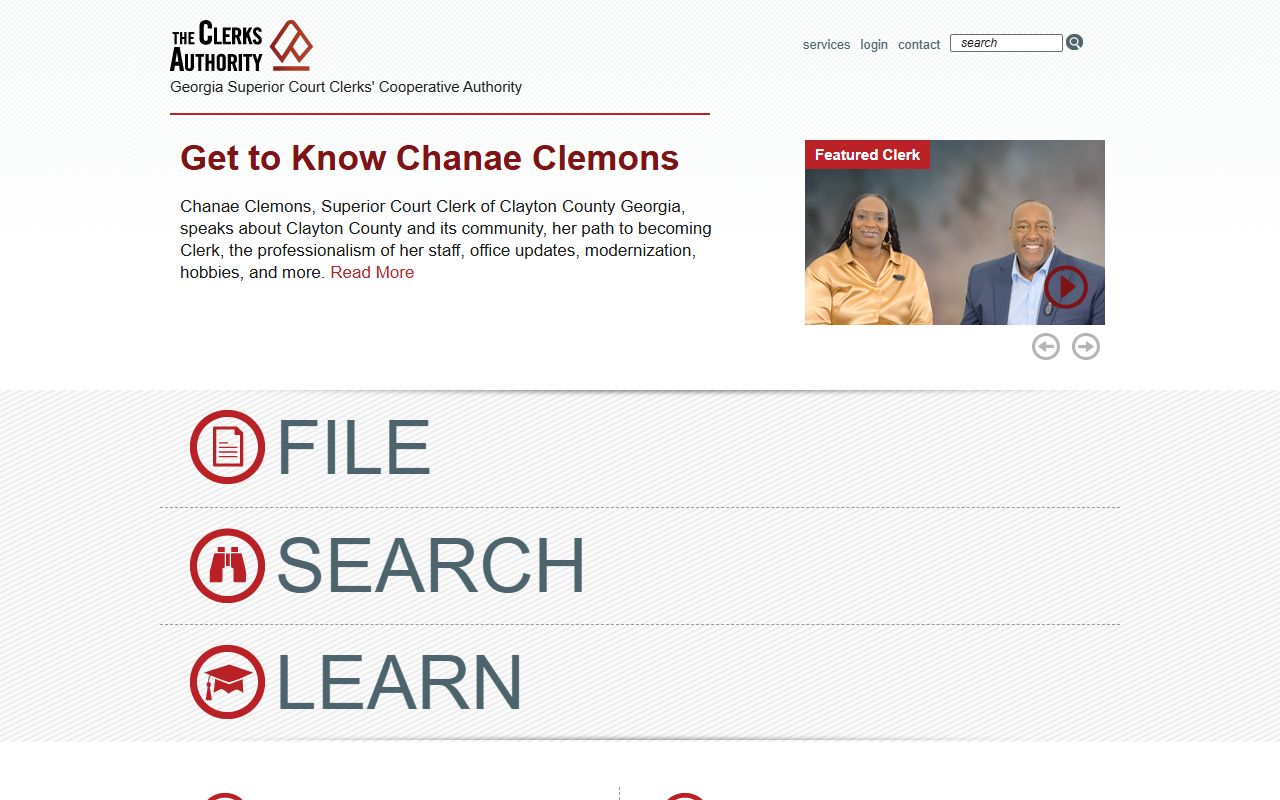
The GSCCCA system covers Dougherty County. You can search real estate records statewide. Deeds, liens, and plats are included. UCC filings are also searchable. Basic searches are free. Subscriptions offer advanced features.
Flint River and Environmental Records
The Flint River runs through Albany. Environmental records are important. Water quality data is public. Flood plain maps are available. Development near the river is regulated. Records document these protections.
The 1994 flood was historic. Recovery records are archived. Mitigation efforts are documented. This shows resilience. Modern flood control is tracked. Records inform current planning. Lessons learned are preserved.
Environmental permits are public. Industrial discharges are monitored. Compliance records are available. This protects the river. Citizens can track pollution. Records support accountability. The river is a community asset.
Fees and Response Times for Albany Records
Three business days is the legal standard. Albany complies with state law. Electronic requests are fastest. Written requests take mail time. Complex searches may need longer. Staff communicate about delays. Estimates help you plan.
Fees follow Georgia law. O.C.G.A. § 50-18-71 controls charges. Copies cost ten cents per page. Search time has a free period. After fifteen minutes, labor fees apply. Electronic delivery reduces costs. Large requests may need deposits.
Inspection is always free. View records without copying. This saves money on research. Some records are online. Check the website first. You might find what you need. This avoids formal request fees.
Help Accessing Albany Records
Staff are ready to assist. Contact the City Clerk. Ask about procedures. Get help with searches. Clarify what is available. Most questions are answered quickly. Staff want to help.
If denied, request an explanation. The city must cite statutes. O.C.G.A. § 50-18-72 lists exemptions. Review the cited provision. Appeal if you disagree. Start with informal review. Escalate if needed.
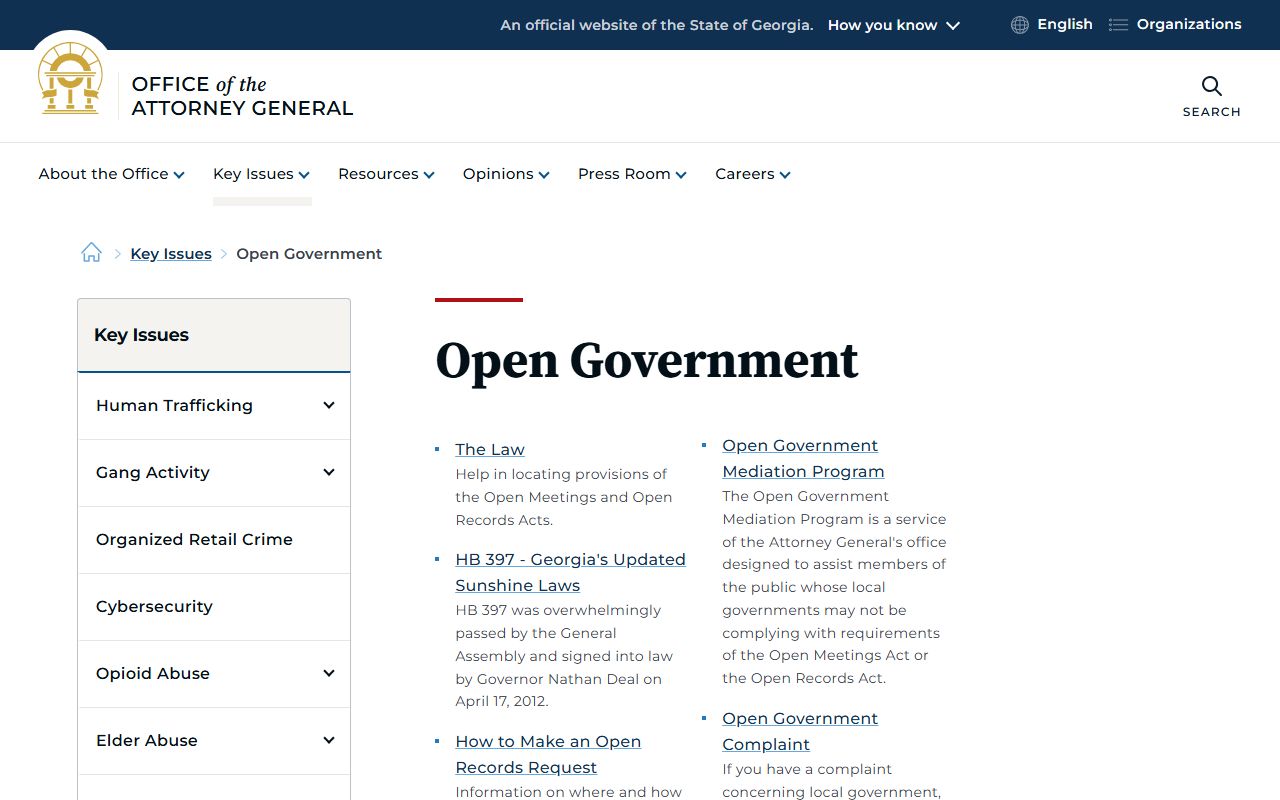
State resources support you. The Attorney General publishes guides. The Georgia First Amendment Foundation helps. Their materials are free. Learn your rights. Understand the process. This empowers citizens.
Nearby Areas for Records Research
Albany is southwest Georgia's hub. Surrounding counties may have related records. Lee, Worth, and Terrell are nearby. These connect to Albany economically. Regional research spans jurisdictions. Consider the broader area.