
Columbus Muscogee County Public Records
Columbus is Georgia's third largest city. More than 201,000 people call it home. The city consolidated with Muscogee County in 1971. This was one of the first consolidations in Georgia. You can find Columbus public records through the unified government. Visit www.columbusga.gov for online access. The Georgia Open Records Act ensures your right to these documents.
Columbus Muscogee Consolidated Government
The consolidation created a streamlined system. One mayor and council govern the entire county. City and county records merged over time. Modern records are unified. Historical archives may be separate. The consolidated government serves 220 square miles. This includes urban and rural areas alike.
The council meets regularly. Minutes document all actions taken. These records are available to the public. You can watch meetings live online. Archives go back many years. Video recordings supplement written minutes. This provides multiple ways to track government decisions.
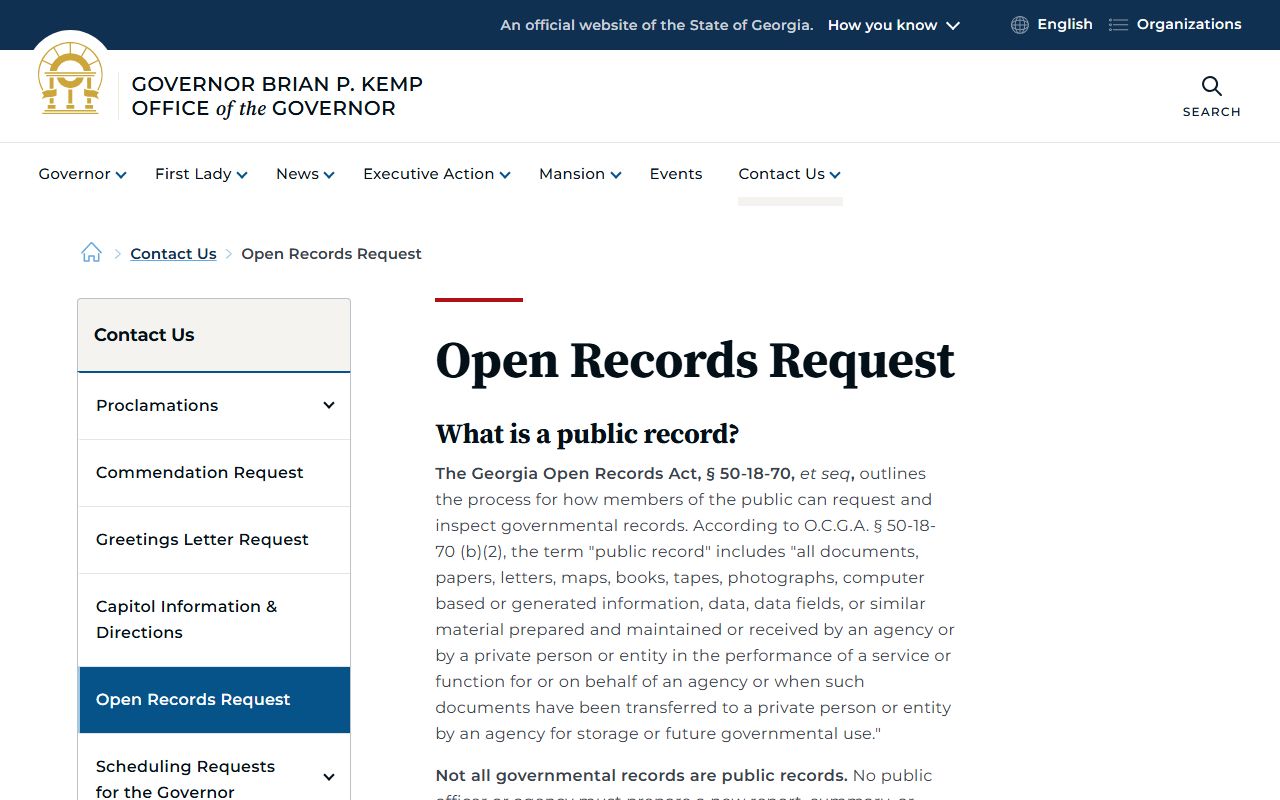
The consolidation benefits record seekers. You deal with one government entity. This reduces confusion about where to look. Most requests go through a central office. They route complex requests to the right department. This speeds up response times. It also ensures consistent handling.
Types of Columbus Public Records
Columbus maintains diverse records. Government meeting minutes are publicly accessible. Budget documents show how tax dollars are spent. Contracts with vendors are open to review. This transparency holds officials accountable. It also helps citizens understand priorities.
Property records are extensive. The Tax Assessor maintains parcel data. You can search by owner or address. Values are updated annually. Appeals processes are documented. Deeds are filed with the clerk. The GSCCCA portal covers Muscogee County. You can search statewide for land records.
Police records follow state standards. The Columbus Police Department reports incidents. Reports are available to involved parties. Some details may be redacted. O.C.G.A. § 50-18-72 protects sensitive information. The sheriff handles jail and court security records. Both agencies respond to open records requests.
Building and zoning records help developers. Permits show construction history. Inspection reports ensure code compliance. Zoning maps indicate allowed uses. You can research any property's status. This is useful for real estate transactions. It also helps neighbors track nearby development.
How to Request Columbus Public Records
The consolidated government offers several methods. Online requests are preferred. The website has a records request page. You fill out a simple form. Describe what you need. Submit your contact information. You will receive a confirmation number.
Email requests work well too. Send to the designated records officer. Include specific details. Mention dates and subjects. Clear requests get faster responses. Vague descriptions cause delays. You can follow up by phone if needed.
In-person visits are welcome. The government center is downtown. Business hours are standard weekdays. Some records can be viewed immediately. Others require processing time. Staff will explain the timeline. You can pay for copies on site.
Columbus Court Records and Legal Documents
The judicial system maintains public files. Superior Court handles felony cases. It also manages civil disputes over $15,000. State Court covers misdemeanors and lower civil amounts. Probate Court deals with wills and estates. Magistrate Court hears small claims and evictions.
Records clerks manage the documents. You can search by defendant or plaintiff name. Case numbers make searches faster. Dockets show hearing dates. Final dispositions indicate outcomes. Some records are restricted by law. Juvenile cases remain confidential.
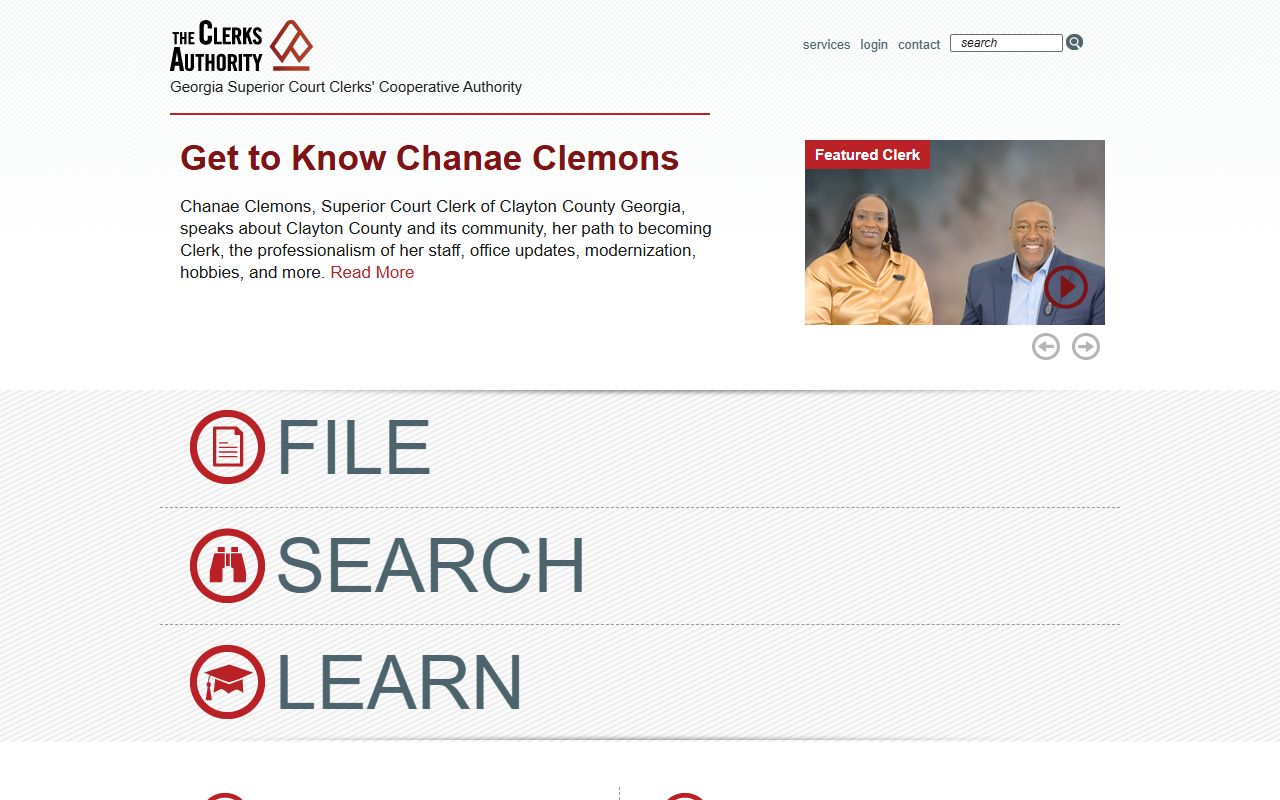
Online access is expanding. Some courts offer case lookup tools. Not all records are digital yet. Older cases may be on paper. Microfilm archives exist for historic files. Requesting these takes extra time. The clerk can advise on availability.
Property Research in Columbus
Real estate records are comprehensive. Ownership history is documented. Tax records span many years. Assessment values are public. You can track changes over time. This helps with market analysis. It also supports property tax appeals.
Plat maps show subdivisions. Surveys establish boundaries. Easements are recorded. These affect property rights. Title companies search these records. Homeowners can do their own research. The clerk's office has public terminals.
The FANS system adds protection. Register to monitor your property. Get alerts about filings. This prevents deed fraud. You will know about liens quickly. The service is free through GSCCCA. It covers all Georgia counties including Muscogee.
Response Times and Costs
Georgia law sets three-day deadlines. Columbus works to meet this standard. Business days exclude weekends. Holidays also extend timelines. Staff will acknowledge receipt quickly. They provide estimates for large requests. Communication keeps requesters informed.
Copy fees follow state rules. Paper copies cost ten cents each. The first fifteen minutes of staff time are free. After that, hourly rates apply. These are based on the lowest-paid qualified worker. Electronic delivery avoids some costs. USB drives have minimal media charges.
Inspection is free. You can view records without copying. This saves money on large files. Some records are online already. Check the website first. You might avoid a formal request. This benefits both requesters and staff.
Legal Help With Columbus Records
Request denials must be explained. The government cites specific statutes. O.C.G.A. § 50-18-72 covers exemptions. You have the right to appeal. Start with an informal request for review. Escalate to formal appeals if needed.
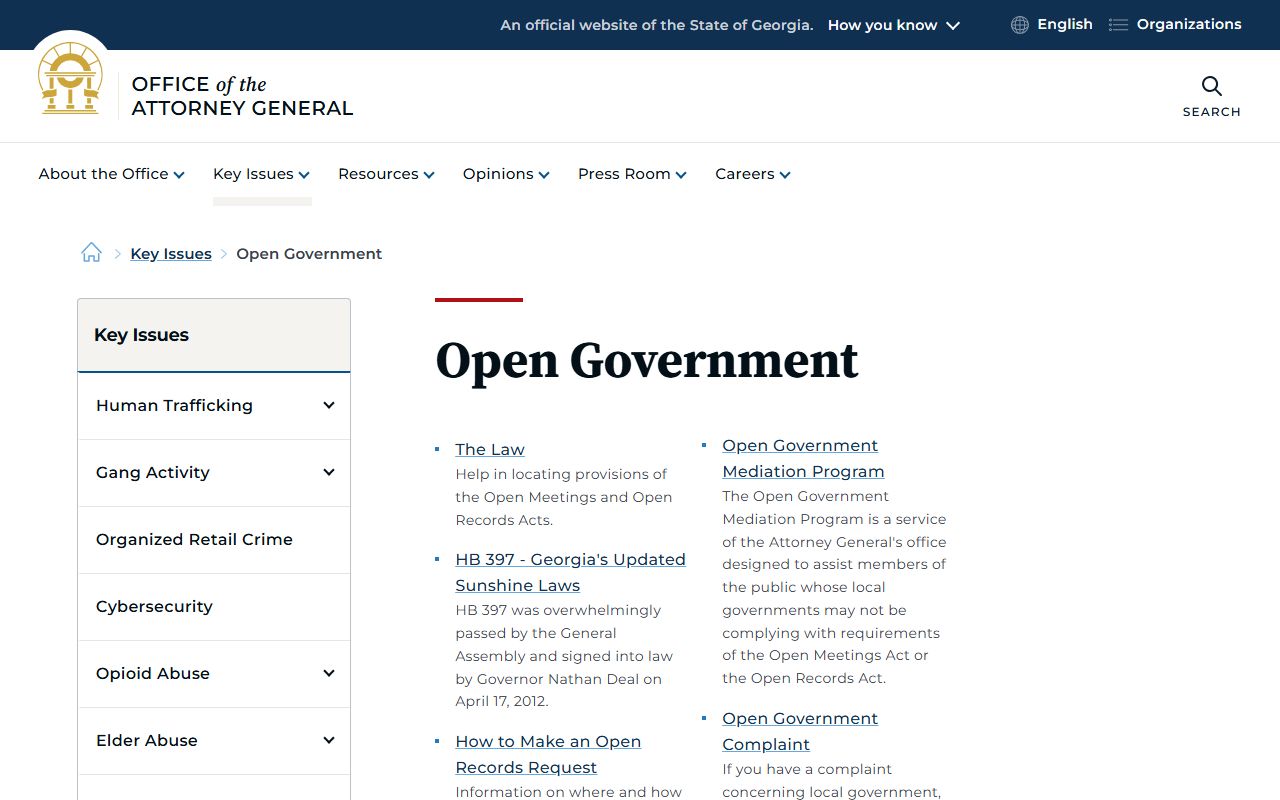
The Attorney General provides guidance. Their website has open records information. Sample request forms are available. They explain common exemptions. This helps you understand your rights. It also shows how to challenge denials.
Court action is possible. You can sue for record access. Judges can order disclosure. Wrongful denial may bring penalties. Agencies can face fines under O.C.G.A. § 50-18-74. Most disputes resolve without litigation. Agencies usually comply when challenged.
Nearby Jurisdictions for Records
Columbus borders Alabama. Records may cross state lines. Russell County is adjacent in Alabama. Lee County is also nearby. Within Georgia, check surrounding counties. Chattahoochee, Harris, Marion, and Talbot border Muscogee.