
Augusta Richmond County Records Access
Augusta is Georgia's second largest city. The population exceeds 206,000 residents. Augusta consolidated with Richmond County in 1996. This created a unified government structure. You can access Augusta public records through the consolidated system. The official website is www.augustaga.gov. O.C.G.A. § 50-18-70 applies to all records held by the government.
Augusta Richmond County Consolidated Government
The consolidation merged city and county functions. This streamlined public records access. One agency now handles many requests. You do not need to check separate offices. The consolidated government serves all residents equally. This applies to both urban and rural areas of Richmond County.
The commission governs the consolidated entity. They keep minutes of all meetings. These minutes are public records. You can request them online or in person. Agendas show what will be discussed. Supporting documents are also available. This transparency helps citizens participate in government.
Consolidation affects how records are stored. Some historical records remain separate. City records from before 1996 are archived. County records from the same period are preserved. Modern records are unified. Current requests go through one system. This simplifies the process for everyone.
Public Records Available in Augusta
Augusta maintains comprehensive records. Commission meeting minutes are publicly available. You can review decisions on budgets and policies. Video recordings exist for recent years. Audio archives go back further. Written minutes span decades of governance. All formats are open to inspection.
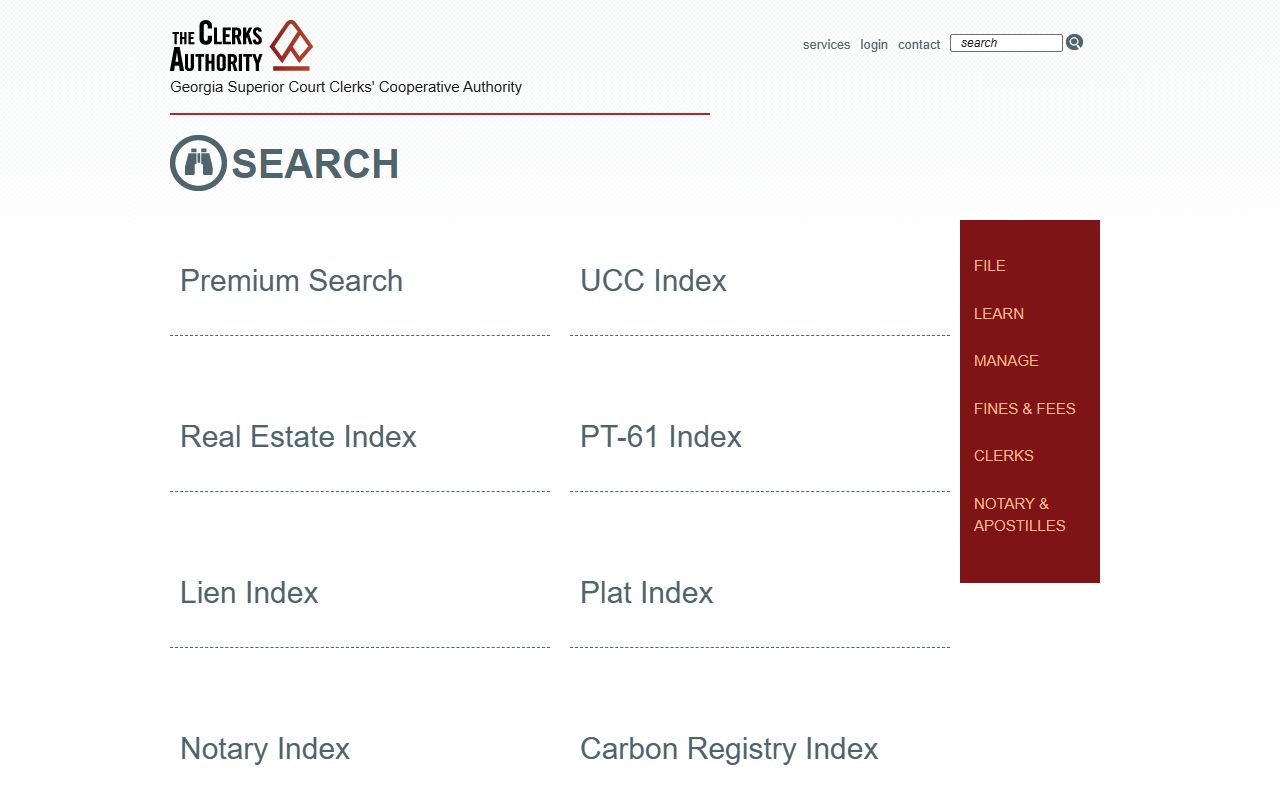
Property and land records are essential. The Tax Assessor values all real estate. You can look up ownership and assessments. Deeds are filed with the clerk of court. The GSCCCA system covers Richmond County. You can search statewide from any computer. This helps with title research.
Court records are maintained locally. Superior Court handles major cases. State Court deals with misdemeanors. Probate Court manages estates and marriages. Magistrate Court hears small claims. Juvenile Court has special privacy rules. Each court follows O.C.G.A. § 50-18-72 for exemptions.
Law enforcement records follow state guidelines. The Richmond County Sheriff maintains jail records. Incident reports are available with proper requests. Some information may be redacted. Active investigations remain confidential. This protects victims and preserves evidence. The law balances transparency with safety.
How to Request Augusta Public Records
The consolidated government accepts requests multiple ways. The website has a dedicated portal. You can submit forms electronically. This method is fast and convenient. You receive email confirmations automatically. The system tracks your request status. Updates are sent when progress is made.
Written requests should be clear and specific. Include dates, names, and subjects. This helps staff locate records quickly. Vague requests may cause delays. Provide your contact information. Physical and email addresses both work. The office needs to reach you with questions or responses.
Visiting in person is another option. The government center is downtown. Hours are typically Monday through Friday. Check the website for current times. Bring identification for some records. Staff can help you use public terminals. You may view records on site without cost.
Augusta Court Records Access
Courts generate many public records. Civil lawsuits create filed documents. Criminal cases have dockets and dispositions. Divorce records are public with some restrictions. Adoption records remain sealed by law. You can search cases by party name. Case numbers speed up the process.
The Clerk of Superior Court manages records. They maintain the official case files. Older records may be archived offsite. Requesting archived files takes extra time. The clerk's office can provide copies. Certified copies cost more than standard ones. You need certified copies for legal use.
Online access varies by court type. Superior Court has the most complete records. Some documents are restricted by law. Financial affidavits in divorce cases are sealed. Juvenile records require special access. Mental health proceedings are confidential. The clerk can explain what is available.
Augusta Property and Real Estate Records
Property records are frequently requested. The Tax Commissioner collects payments. They maintain payment history for all parcels. You can search by address or owner. Delinquent tax lists are public. This information helps buyers and investors. It also aids neighborhood research.
Plats and surveys are on file. These show property boundaries. Subdivision maps reveal development history. Zoning records indicate land use rules. You can check what can be built where. This is vital for development projects. It also settles boundary disputes.
The FANS system helps property owners. FANS stands for Filing Activity Notification System. It is free to use. Register your property address. You get alerts about new filings. This prevents fraud and surprises. You will know if liens are filed against your land.
Response Times and Fees for Augusta Records
The three-day rule applies to Augusta. Business days only count toward the deadline. Holidays extend the timeline. The consolidated government takes this seriously. Most requests are answered promptly. Complex requests may need more time. Staff will communicate any delays.
Fees are set by state law. O.C.G.A. § 50-18-71 controls charges. Copies cost ten cents per page. Large requests may have labor fees. The first fifteen minutes are free. Electronic records avoid paper costs. You can reduce fees by narrowing requests.
Payment methods vary. In-person requests accept cash and cards. Mail requests need checks or money orders. Online systems use credit cards. Some records are free to view. Copying always incurs costs. Ask about the total before committing.
Help With Augusta Public Records Requests
Denied requests can be appealed. The government must cite specific laws. Generic denials are not valid. O.C.G.A. § 50-18-72 lists exemptions. You can ask for a written explanation. This helps you understand the decision. It also prepares you for an appeal.
The Georgia First Amendment Foundation offers help. They publish open government guides. Their resources are free online. You can learn about your rights. They explain how to appeal denials. Sample letters are available. This empowers citizens to advocate for access.
Legal action is a last resort. You can sue to force disclosure. Courts can order records released. Attorney fees may be awarded. This happens when agencies wrongly withhold documents. Most cases settle before trial. Agencies often comply when challenged.
Nearby Areas for Public Records Research
Augusta sits on the Savannah River. Neighboring counties may hold related records. Columbia County is across the border in South Carolina. Aiken County is also nearby. For Georgia records, check adjacent counties. Burke, Jefferson, and McDuffie border Richmond.