
Atlanta Public Records Search
Atlanta is Georgia's largest city with over half a million residents. The city spans both Fulton and DeKalb counties. City Hall sits at 55 Trinity Avenue SW in downtown. You can find Atlanta public records through the city's online portal. The records include city council minutes, permits, and police reports. The Georgia Open Records Act O.C.G.A. § 50-18-70 gives you the right to access these documents.
About Atlanta Public Records
Atlanta maintains records dating back to its founding in 1847. The city has grown into a major metropolitan hub. Its records reflect this growth. You can find documents about city planning and development. Court records are available for research. Property records show ownership history. The city archives hold historical documents.
The Atlanta city government follows state laws on transparency. O.C.G.A. § 50-18-71 governs how agencies respond to requests. The city must reply within three business days. They can provide records in paper or digital form. Some records may require fees for copying.
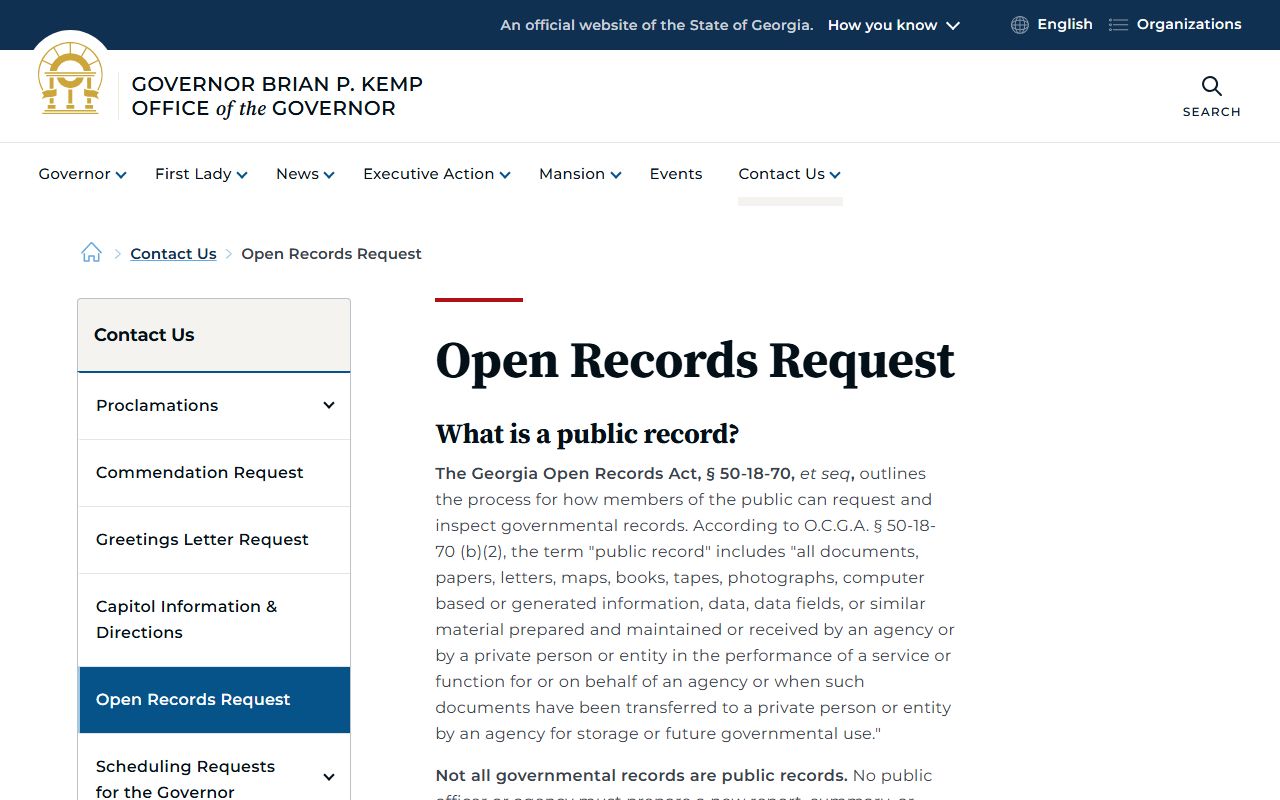
Many records are now online. The city's website offers a records request portal. You can submit requests and track their status. This makes the process faster. You do not need to visit City Hall in person. The online system works around the clock.
Types of Records Available in Atlanta
Atlanta maintains many types of public records. City council meeting minutes are public documents. You can review decisions made by elected officials. Agenda packets show what topics were discussed. Video recordings of meetings are also available. These records help citizens stay informed about local government.
Property records are commonly requested. The city keeps building permits and inspection reports. Zoning information is accessible to the public. You can research the history of any address. This helps buyers and developers. It also helps neighbors understand changes in their area.
Police and fire records fall under open records laws. Incident reports can be obtained with proper requests. The Atlanta Police Department has specific procedures. Some law enforcement records are exempt. O.C.G.A. § 50-18-72 lists these exemptions. Active investigations remain confidential. This protects the integrity of cases.
Vital records are handled differently. Birth and death certificates go through the state. The Department of Public Health manages these. You can order them online or by mail. The city does not keep these records. For marriage licenses, contact the county probate court.
How to Request Atlanta Public Records
The city offers multiple ways to file requests. The online portal is the fastest method. Visit the official city website at www.atlantaga.gov. Look for the open records section. You can fill out a form and submit it instantly. The system sends a confirmation email. This creates a paper trail for your request.
Written requests work well too. Send a letter to the City Clerk's office. Include your contact information. Describe the records you want. Be specific about dates and topics. This helps staff locate documents faster. Mail your request to 55 Trinity Avenue SW, Atlanta, GA 30303.
Email is another option. Find the Open Records Officer contact online. Put your request in writing. Include all relevant details. Keep a copy for your records. The city must respond within three days. They may provide the records or give a timeline.
Fulton and DeKalb County Records for Atlanta
Atlanta sits in two counties. Records may be split between them. Fulton County handles most of the city. DeKalb County covers the eastern portion. Property records follow county lines. Court cases are filed by county. You need to know which jurisdiction applies.
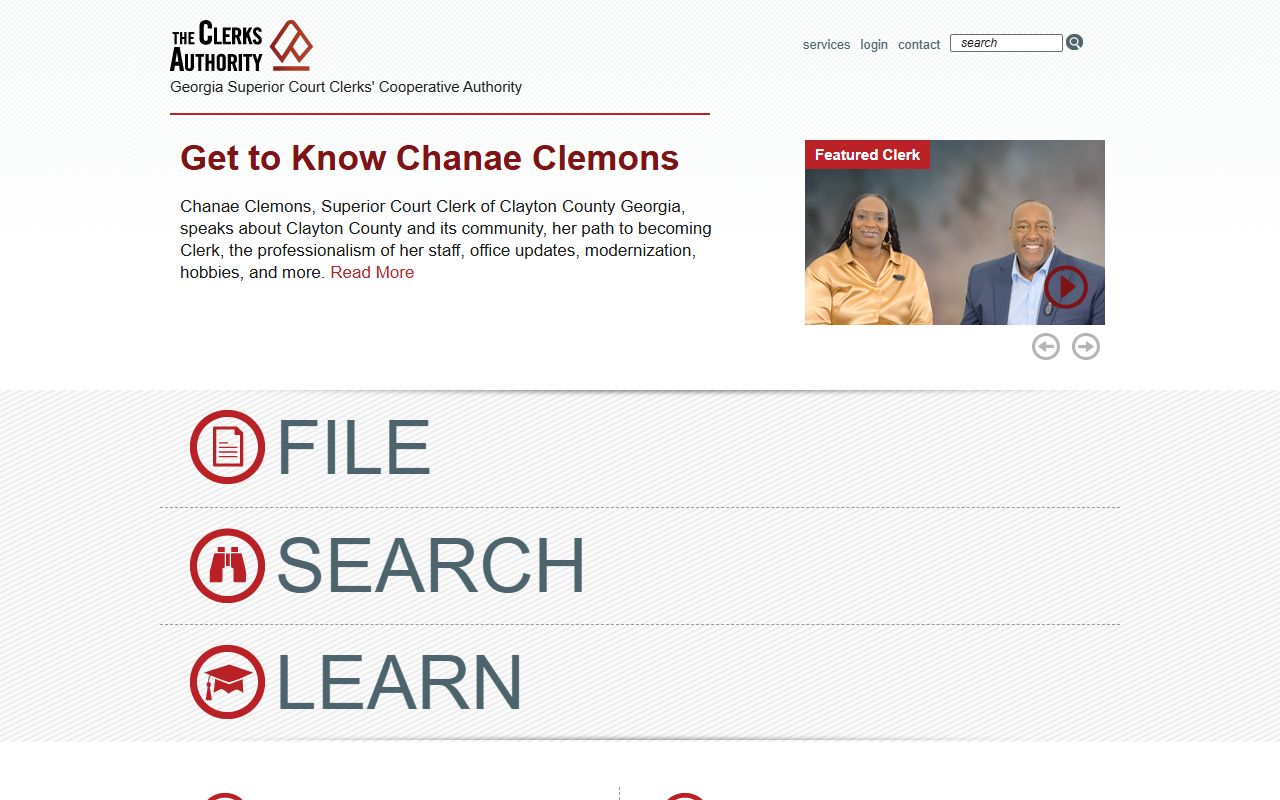
Fulton County offers online record searches. Real estate records are available through the GSCCCA. This statewide system covers all counties. You can search deeds and liens. The database includes plats and maps. Some features require a subscription.
DeKalb County has similar resources. Their clerk of court manages case files. Superior court records are public. You can search civil and criminal cases. The probate court handles estate matters. Magistrate court deals with small claims. Each office has its own request process.
Fees and Response Times for Atlanta Records
Agencies can charge reasonable fees. Copying costs ten cents per page. This is the standard rate across Georgia. Staff time may also incur charges. The first fifteen minutes are free. After that, you pay the hourly rate. The rate is based on the lowest-paid qualified employee.
Digital records often cost less. Email delivery avoids paper fees. Some records are free on the website. Check online before filing a request. You might find what you need without cost. The city website has many documents posted.
The three-day rule is firm. Weekends and holidays do not count. If the city needs more time, they must explain. They should give you an estimate. Large requests may take longer. Breaking requests into smaller parts can help. This keeps costs down and speeds up delivery.
Getting Help With Atlanta Records
Sometimes requests are denied. The city must cite the specific law. O.C.G.A. § 50-18-72 covers exemptions. Common exemptions include personal privacy and ongoing investigations. If you disagree with a denial, you have options. You can file an appeal or seek legal help.
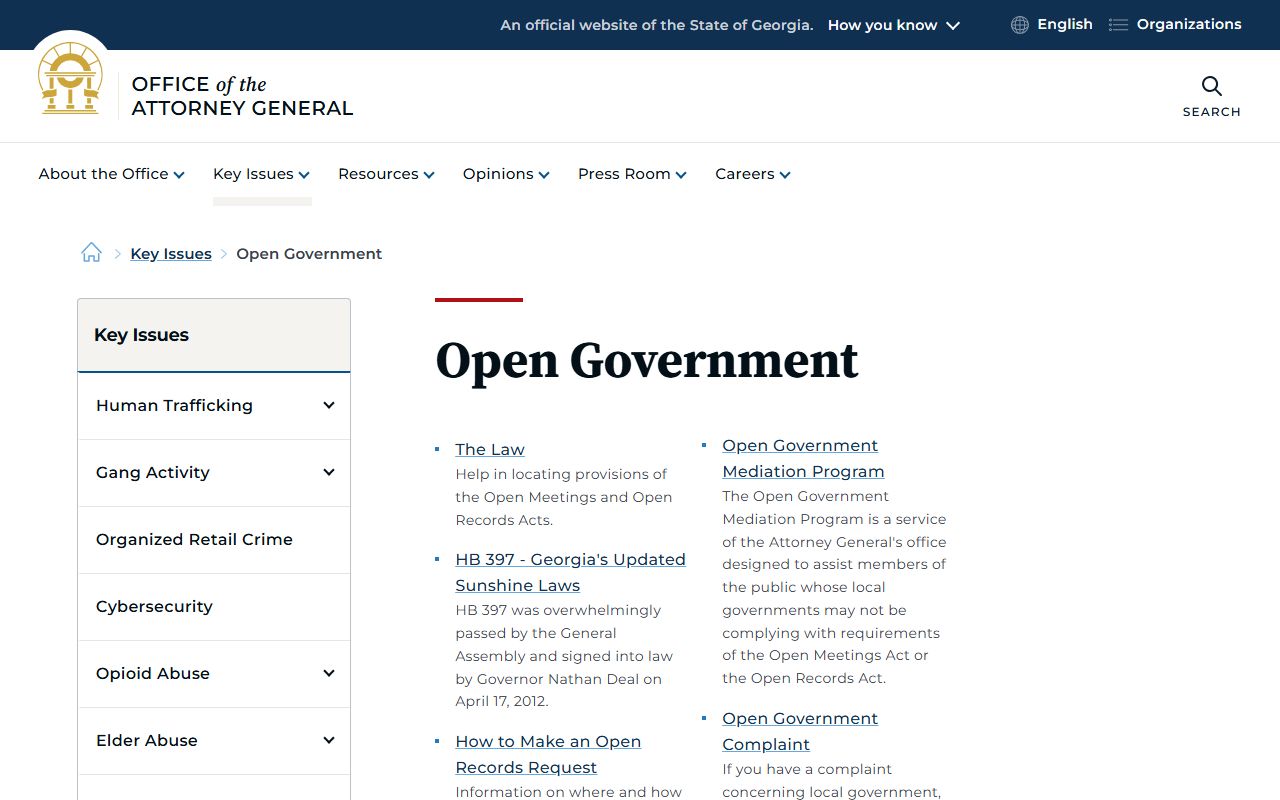
The Georgia Attorney General offers guidance. Their website explains the open records law. They publish sample request letters. You can also contact the Georgia First Amendment Foundation. This group helps citizens access public information. They offer resources for journalists and the public.
For complex requests, consider legal assistance. Some attorneys specialize in open records law. The State Bar of Georgia can provide referrals. Legal aid may help in some cases. Many lawyers offer initial consultations. This can clarify your rights under state law.
Nearby Areas for Public Records
Atlanta is surrounded by other cities. Each has its own record system. Sandy Springs, Roswell, and Johns Creek are nearby. They are all in Fulton County. You may need records from multiple cities. Regional research often spans jurisdictions.